The Quality Assurance Center at Latakia University Holds a Training Course on Preparing and Formulating Automated Questions According to Quality Standards
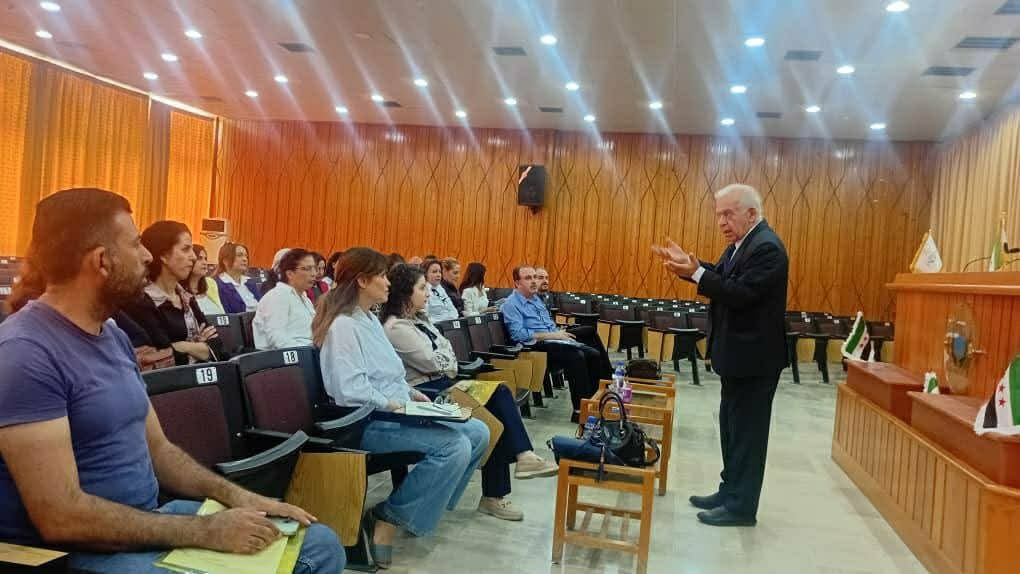
Within the framework of its ongoing efforts to enhance the culture of quality and accreditation in the educational process, the Quality Assurance and Accreditation Center at Latakia University held a training course titled "Method of Preparing and Formulating Automated Questions in Line with Quality Standards," over the two days of October 21 and 22, 2025, in the conference hall at the Central Library.
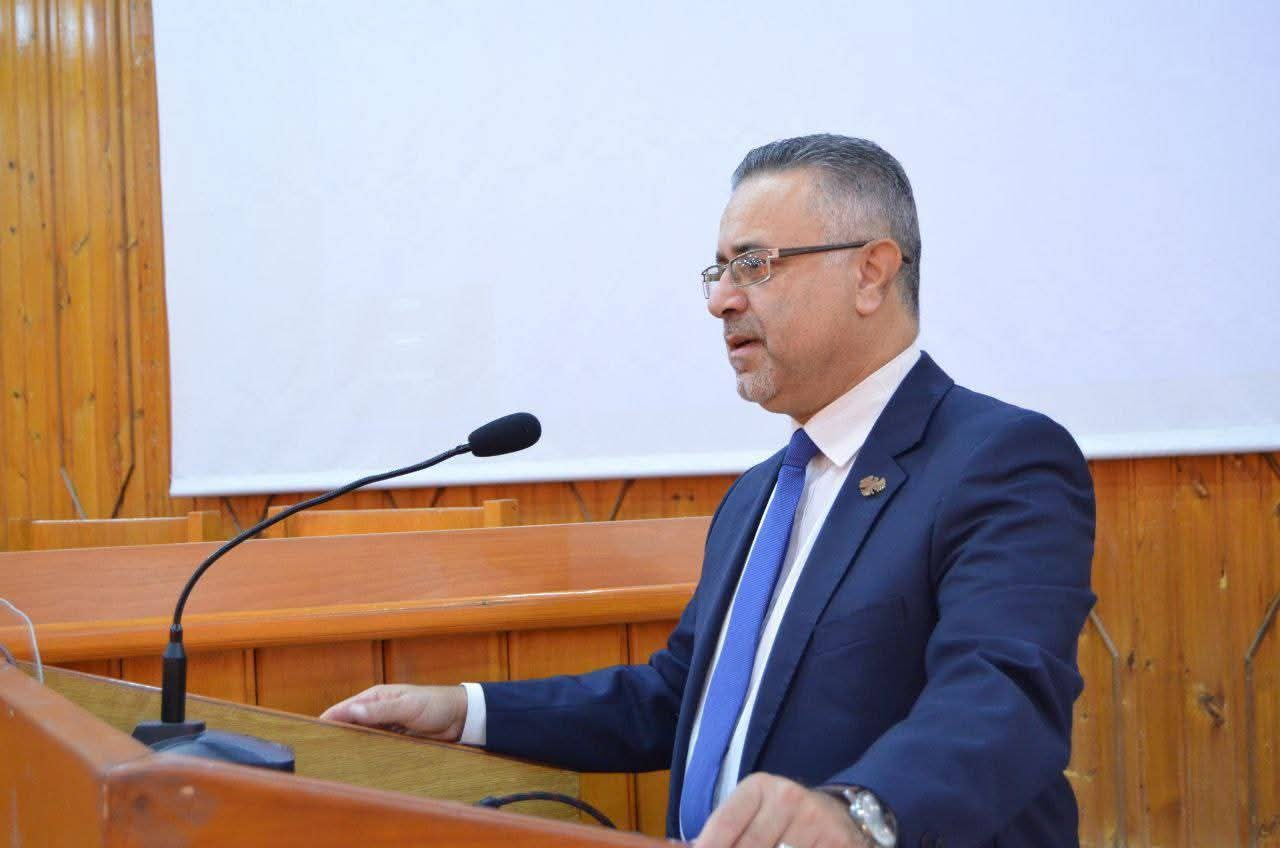
The Vice President of Latakia University for Scientific Affairs, Dr. Mohammad Haroun, opened the training course, welcoming the participants and affirming that this course comes within the university's efforts to enhance the culture of quality in various faculties and specializations, and to develop university assessment methods in line with learning outcomes and academic performance indicators. This was followed by an opening speech delivered by the Director of the Quality Assurance and Accreditation Center, Dr. Aqeel Hajouz, in which he addressed the course objectives and its importance in developing the skills of faculty members in preparing questions according to quality and modern assessment standards.
The program of the first day included a number of lectures and workshops covering various topics, including:
1. Aligning learning outcomes with assessment methods, and reviewing models of approved questions.
2. Types of automated questions and their formulation standards (multiple choice, true/false, short answers).
3. Building question banks using the Moodle system, and mechanisms for classifying questions and adjusting difficulty and discrimination levels.
A number of lecturers from the university participated in the first day's sessions, including:
- Dr. Mohammad Haroun – Vice President of the University for Scientific Affairs.
- Dr. Aqeel Hajouz – Director of the Quality Assurance and Accreditation Center.
- Dr. Basim Barhoum – Head of the Quality Assurance of the Educational Process Department at the Center.
- Dr. Anna Ahmad – Head of the Training and Media Department at the Center.
- Dr. Jamal Khalifa – Faculty Member in the Communications Engineering Department.
The second day began with an interactive review of what was presented the previous day, supervised by Dr. Aqeel Hajouz, which included extensive discussions on common errors in question formulation.
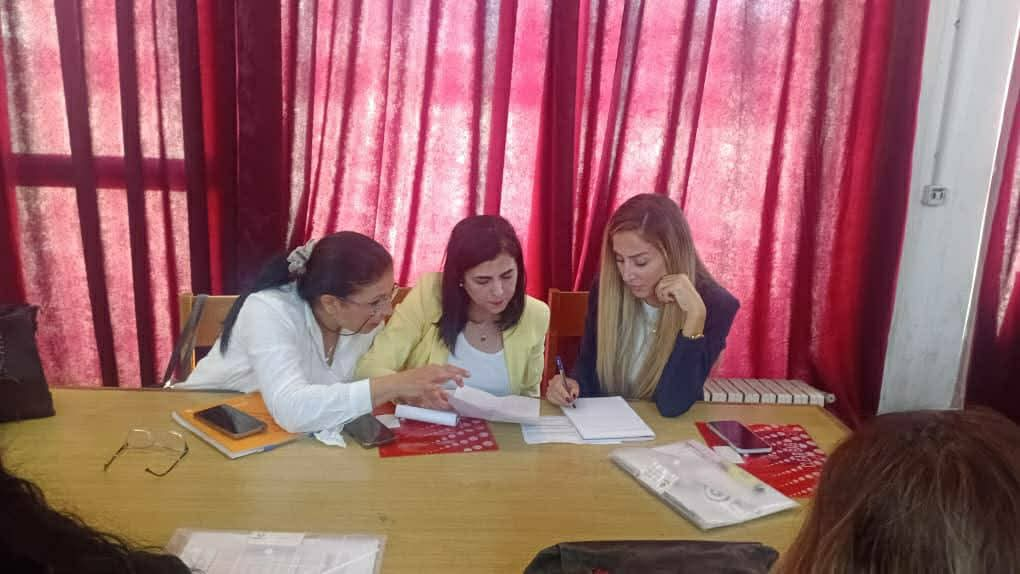
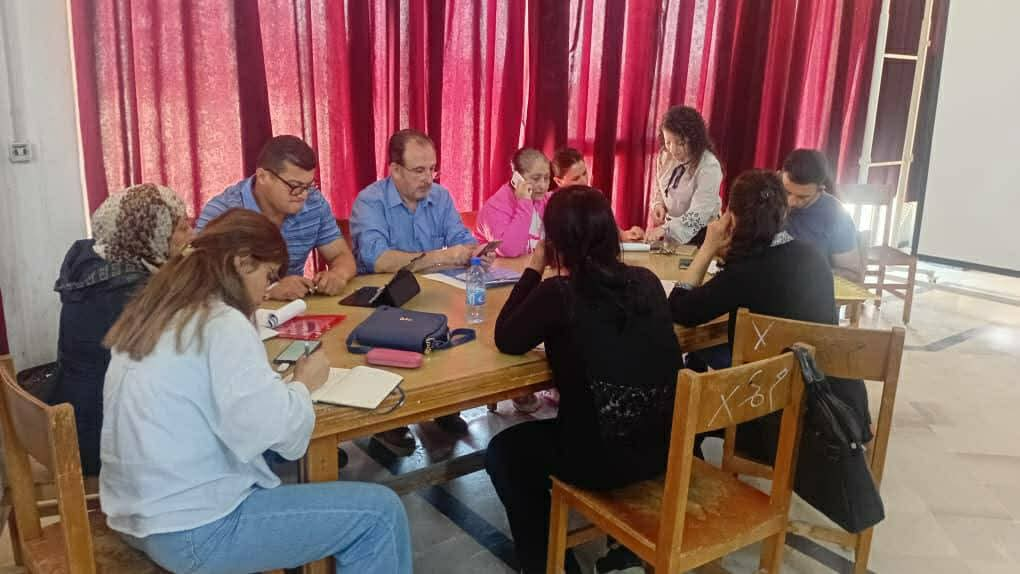
This was followed by a series of practical workshops covering the formulation of automated questions within sector-based groups (Health, Engineering, Humanities), with active participation from faculty members.
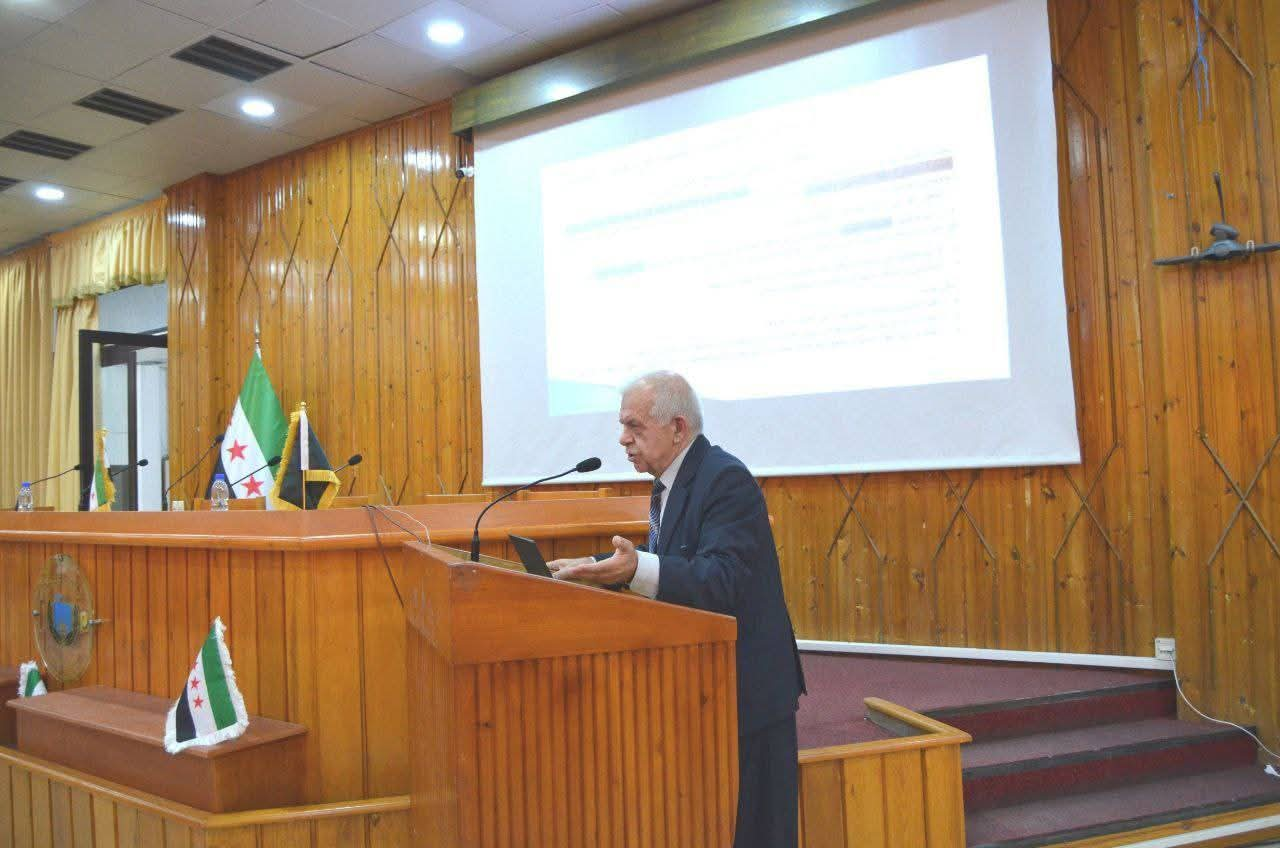
The program also included a presentation on the psychometric analysis of questions in terms of difficulty and discrimination, delivered by Dr. Abdulhadi Al-Rifai – Dean of the Faculty of Economics.
The course concluded with a final presentation and evaluation conducted by the Quality Assurance and Accreditation Center team, during which the workshop outputs and proposals for developing the university assessment process were discussed.
At the conclusion of the course, participants affirmed the importance of this event in raising the efficiency of faculty members in preparing and evaluating assessment tools, thereby enhancing the reliability of the examination process and supporting the university's direction towards achieving academic accreditation at both the local and international levels.
Photo Gallery